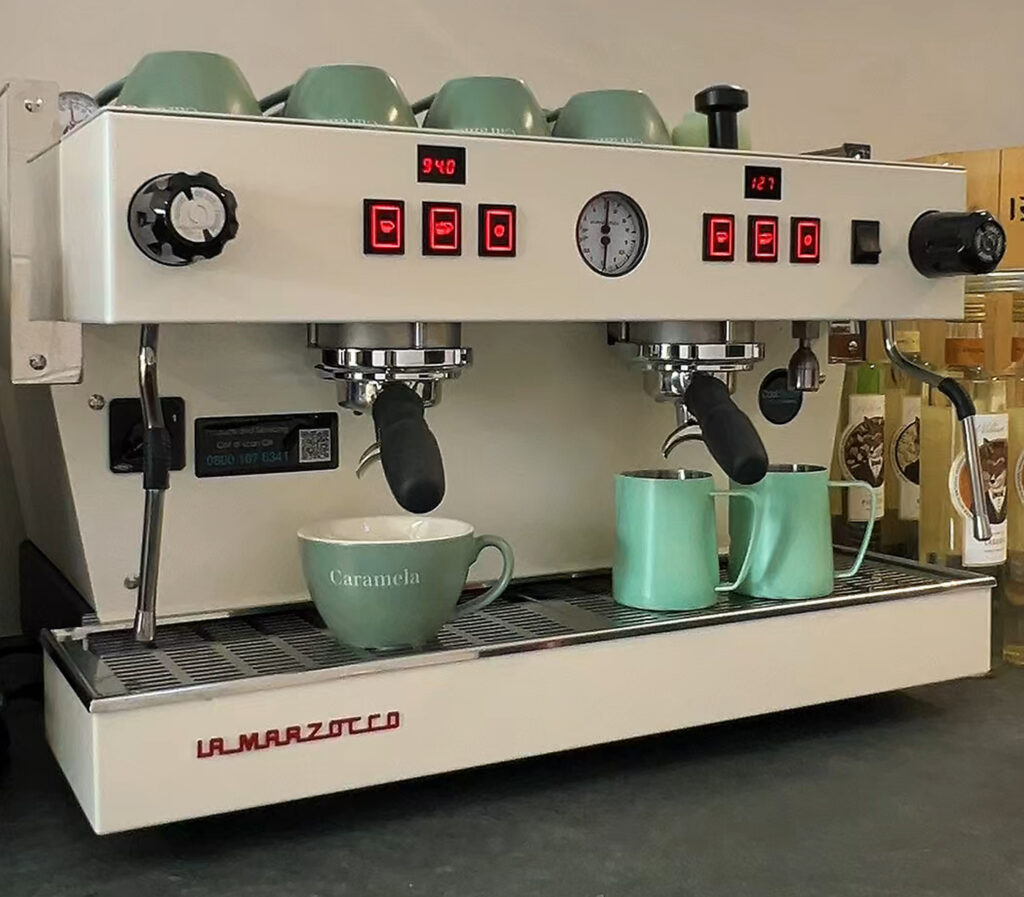
For true coffee aficionados, nothing beats the rich and robust flavor of a perfectly brewed espresso. And when it comes to brewing the perfect espresso, there’s simply no substitute for a traditional espresso coffee machine. In this ultimate guide, we’ll take a closer look at traditional espresso coffee machines, what they are, how they work, and why they’re so highly prized by coffee lovers around the world.
A traditional espresso coffee machine is a machine that uses high-pressure water to extract flavor from finely ground coffee beans. These machines typically use a manual lever or pump to force hot water through the coffee grounds and into a small cup, producing a highly concentrated shot of espresso.
The basic principle behind a traditional espresso coffee machine is simple: hot water is forced through finely ground coffee beans at high pressure to extract flavour and aroma. However, the actual process of making espresso with a traditional machine is more complex
First, the coffee beans are ground finely and tamped down into a small, metal portafilter. The portafilter is then locked into place in the grouphead of the machine, and hot water is forced through the coffee grounds under high pressure, typically between 8 and 10 bars.
The resulting shot of espresso is highly concentrated, with a thick, creamy layer of crema on top. This crema is a sign of a well-made espresso and is prized by coffee lovers for its rich flavour and velvety texture.
There are many reasons why coffee lovers choose traditional espresso coffee machines over other types of coffee makers. Here are just a few:
In conclusion, traditional espresso coffee machines are the ultimate choice for coffee lovers who want to experience the authentic flavour and aroma of a perfectly brewed espresso. With their precise temperature control, customisable brewing options, and professional-grade construction, these machines are the gold standard for espresso lovers around the world.